

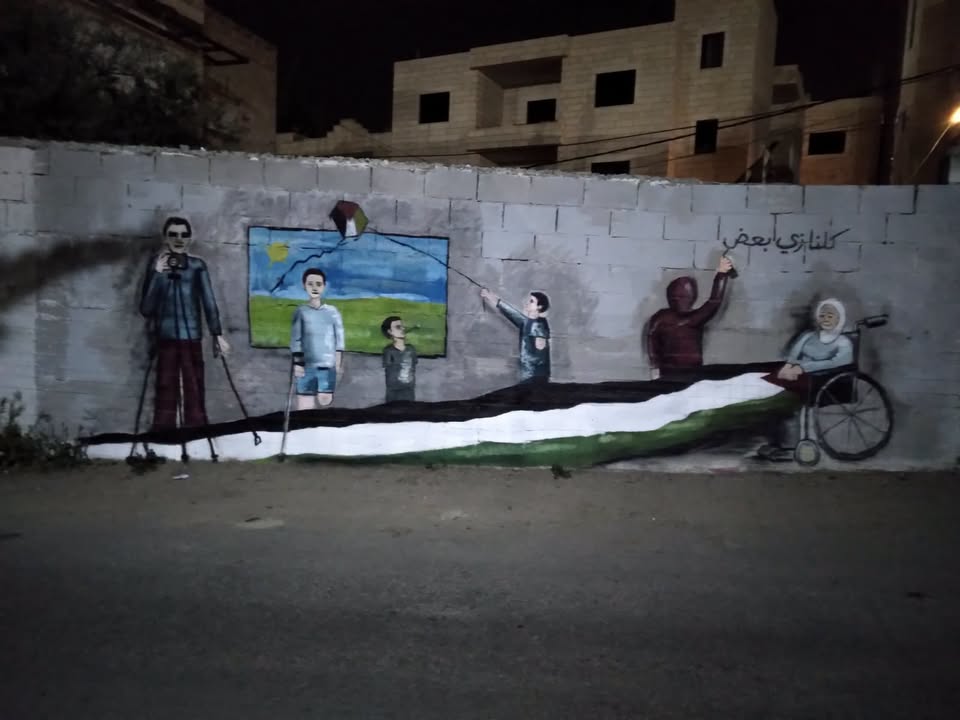
Based on 12 months of ethnographic research in Bethlehem, Palestine, Dr. Vollrath argues that communal knowledge production enables disabled and debilitated Palestinians to resist Israeli occupation. Drawing on research in Aida Refugee Camp, this lecture examines how Palestinians collectively develop and share knowledge about tear gas exposure, disability, and access to healthcare, and how this knowledge informs practices of resistance.
For example, Noor Society for People with Disabilities emerged in response to communal observations of pregnancy complications among women exposed to tear gas. Palestinians also exchange practical knowledge about navigating barriers to healthcare access. Together, these examples illustrate how communal knowledge enables Palestinians to respond collectively to the disabling effects of occupation. Although the research does not directly address Gaza, it raises questions about how similar practices might operate in other Palestinian contexts.
Dr. Kevin Vollrath is an Assistant Professor at Bethlehem University where he teaches courses on research skills, philosophy, and English language. He has lived in Palestine for the past 5 years, conducting research, working in advocacy, and now teaching. His research focuses on debilitation and disability in the West Bank.
– PhD, Religion and Society, Princeton Theological Seminary, 2024
– MDiv, Princeton Theological Seminary, 2017
– BA, Philosophy, University of Chicago, 2014
– PhD, Religion and Society, Princeton Theological Seminary, 2024
– MDiv, Princeton Theological Seminary, 2017
– BA, Philosophy, University of Chicago, 2014
! attention !
The lecture starts at 6 pm. We work on a first-come, first-served basis as the number of seats is limited. We open our doors at 5:30 and close them at 6:15 or earlier when the lecture room reaches its full capacity.
The lecture starts at 6 pm. We work on a first-come, first-served basis as the number of seats is limited. We open our doors at 5:30 and close them at 6:15 or earlier when the lecture room reaches its full capacity.

